
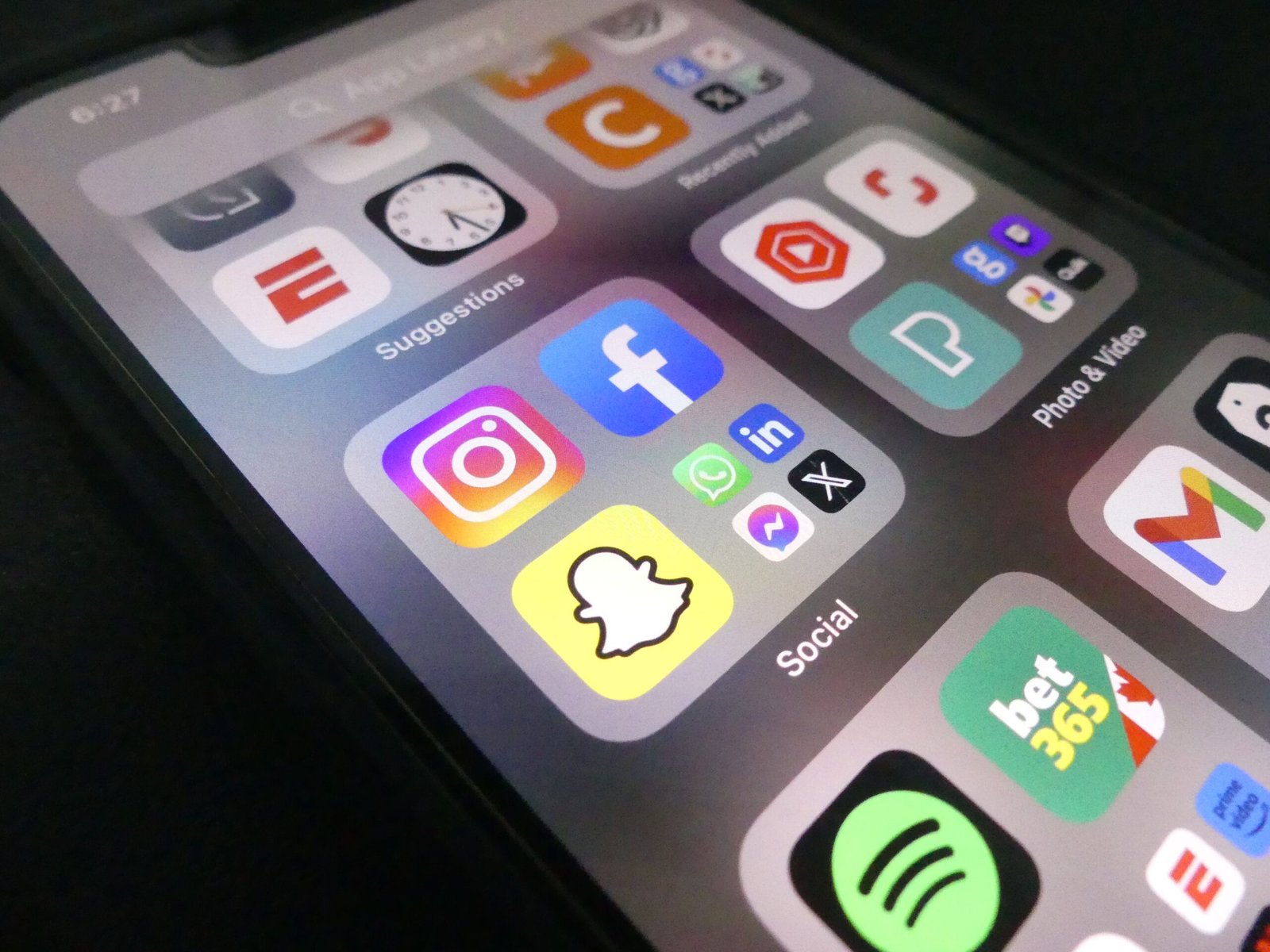
Image over ideology: political communication in the era of social media
Written by Nina Toruniewska
Lots of times, when I’m casually doomscrolling, I come across videos or pictures that refer to politics. Usually I laugh or get upset over how ridiculous they are but I don’t think much of it. They’re satire, of course, probably posted by a bored teenager, right? Then I stare at the username and the “verified badge”. That is the moment when I send the TikTok or Instagram Reel to my friend with a simple comment: ”No way this is really their official account.”.
There is ongoing debate whether media ”colonise” politics or vice versa. We have witnessed a brutal shift – from politicians only being interviewed by professional journalists to them creating their own social media content or being guests on biased, low-quality podcasts. Now your prime minister is also an influencer, members of your parliament are making ”spend the day with me” videos, and suddenly you’re watching an edit of the president of the United States posted from his party’s verified TikTok account. Many think it’s entertaining but it is a carefully scripted strategy for building your political stance. It is a new stage of mediatisation of politics – in which the overall logic of media is altering not only the way political events are reported, but also the whole policy-making process. During the previous century, we observed this phenomenon when radio access increased and then when television became widespread, so this is not something previously unknown. So, undoubtedly, traditional media are nowhere near becoming totally unimportant.
Nevertheless, conquering social media became inevitable for political figures, because of the growing feeling that they do not pay enough attention to the needs of young adults. In 2024, the Ważne Sprawy Foundation and More In Common Poland conducted a survey that showed that 77% of people aged 18-24 and 85% of people aged 25-29 believe the government is more invested in the situation of senior citizens. With the level of disappointment this high among the aforementioned group action had to be taken. Thus, the political scene had to change its format to become more attractive to the young electorate, since it relies heavily on social media when gathering information. Or perhaps should I say: having information thrown in one’s face by an algorithm. That is where politicians recognise the opportunity to finally reach young people. When you’re using social media you cannot particularly control or choose what content you see – the algorithm decides for you. It rewards the potential to go viral but also can cause one’s For You page to become monotonous by showing just one type of content. Both examples can be convenient: the first reaches a new potential supporter, and the second reinforces their opinion. This way of influencing young people is quite appealing – it does not generate a lot of new costs and focuses mainly on keeping track of pop culture.
I first realised the enormous scale of this during the 2024 presidential campaign in the United States.
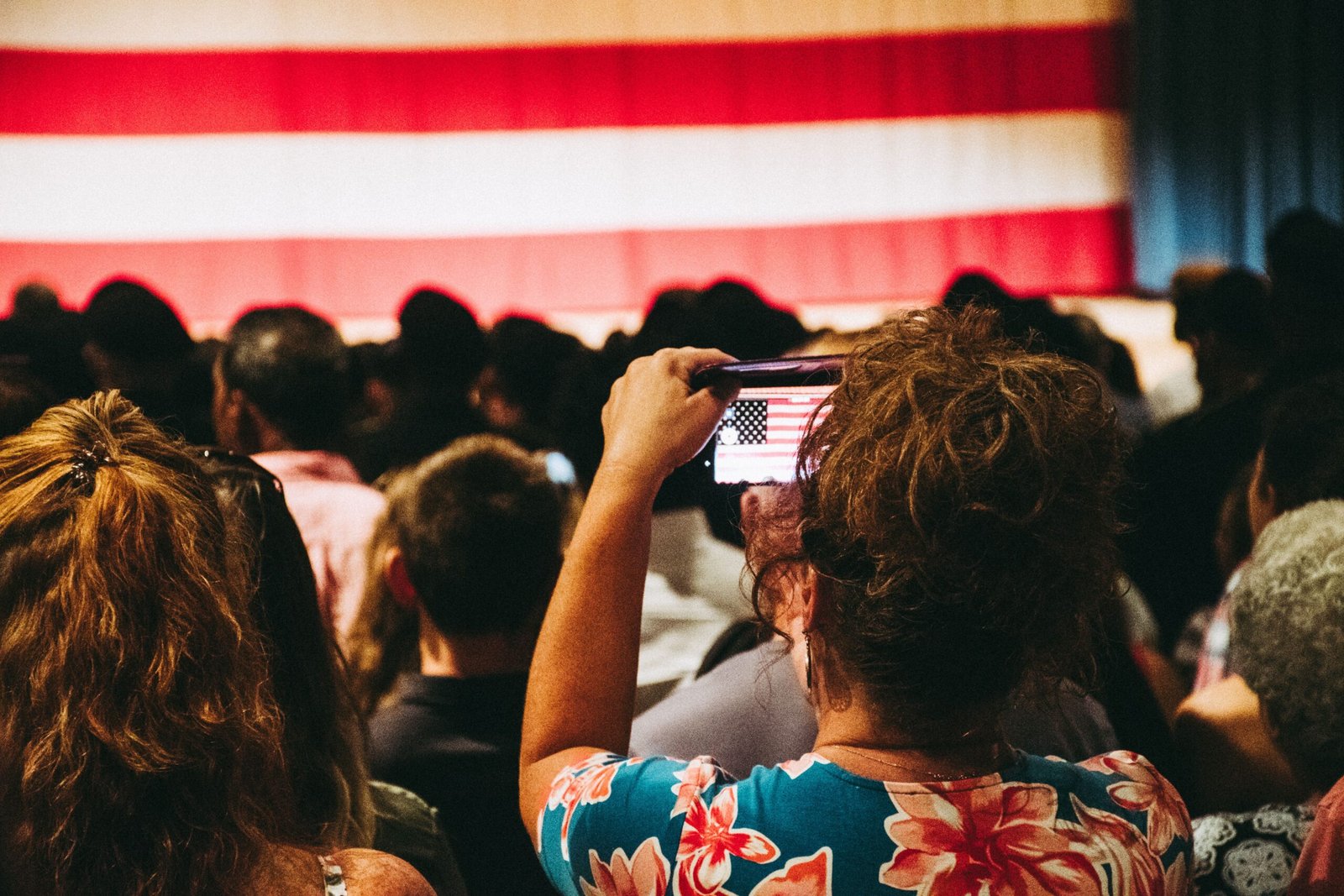
After Joe Biden’s late resignation, there had to be some serious PR campaign conducted for Kamala Harris, since she had very little time left in the presidential race. Even though she did not win, her team did an objectively incredible job of meeting her up with celebrities and basing her virtual presence on Charli XCX’s newest album at the time which was called Brat. The constant online arguments between two hubs – Kamala HQ (now Headquarters) and Republicans on TikTok, aimed specifically at a Gen Z audience – reached not only American voters but also people from all around the world. It has been two years since the election and I still see the teams responsible for running those accounts react so quickly to all new trends and their opponents’ statements. The things they post may not be the most serious or detailed when it comes to specific events but it seems like the strategy works – they persistently gain more followers and what’s important: they ignite strong emotions in their viewers. I notice similar dynamics on the Polish side of TikTok and Instagram between the two major parties in the parliament – Koalicja Obywatelska and Prawo i Sprawiedliwość. They both use trending audios and memes to make themselves look like the better option, promote their specific actions, and describe the other side as incompetent. Other political groups followed in their footsteps so we ended up with many different perspectives but none of them is actually explained well – they are mainly based on criticism. The question is: to what extent is this reasonable?
I am aware that politics now is just an endless battle for new voters with any other side effects of a political campaign being completely overlooked. However, do we really want to live in a world in which diplomacy boils down to a 15- second-long video? Is it what we want to look at and consider a reliable source of information? It may be memorable and easy to comprehend but it is far too short to be substantive. It draws attention away from the complexity of modern day problems, describing them as superficial and easy to solve under one condition: the messenger has to be in power. Some things should not be trivialised, especially by officials. Nowadays, some people view public debate as entertainment, whereas, ideally, it could be the strongest, most efficient tool used by citizens to protect their rights and present their beliefs in a civilised society. If political communication continues to be reduced to short clips or graphics optimised for engagement, its very function is undermined. We are left with no arguments to evaluate because the comment sections are not decent enough, and we only get to rely on impressions. The danger, then, is not the fact that politicians use social media, but that their logic risks replacing the logic of politics itself – what cannot be compressed into its format gets pushed out of the conversation. This also leads to a reshaping of the voters’ choice. There is less comparing policies or trade-offs and more judging candidates by their personalities, authenticity, or the ability to ”be relatable” for the audience. Points built around real long-term consequences are just unable to compete against a well edited video of a charismatic populist cracking a joke. The result is a subtle substitution of accountability by likability.
We usually feel more sympathy towards people we think are similar to us, find hilarious, or who share some interests with us. So, there is also a more insidious risk hidden behind the friendly image politicians cultivate online: a slow
evolution from support to idolisation. When a candidate is presented primarily as a personality voters can relate to them the same way they do with influencers or celebrities. They compare a person seeking public office to someone whose job is to entertain others. Then, criticism is perceived as a personal betrayal, rather than legitimate disagreement, making loyalty become the most valuable trait. It becomes difficult to question somebody once their image has been designed to be liked rather than judged. A healthy democracy needs politicians who can be challenged by the public – not politicians who are adored by it. The Internet doesn’t need more officials showing their daily life through Instagram Stories and giving subtle hints on who we should vote for – you can be either a lifestyle influencer or a legislator. But you cannot aspire to be both on your official account. I would really like to see more reliable content on the actual changes (or efforts to bring changes) introduced by specific people, and not just another caption about how somebody else is ruining the country. If so, do something with it!
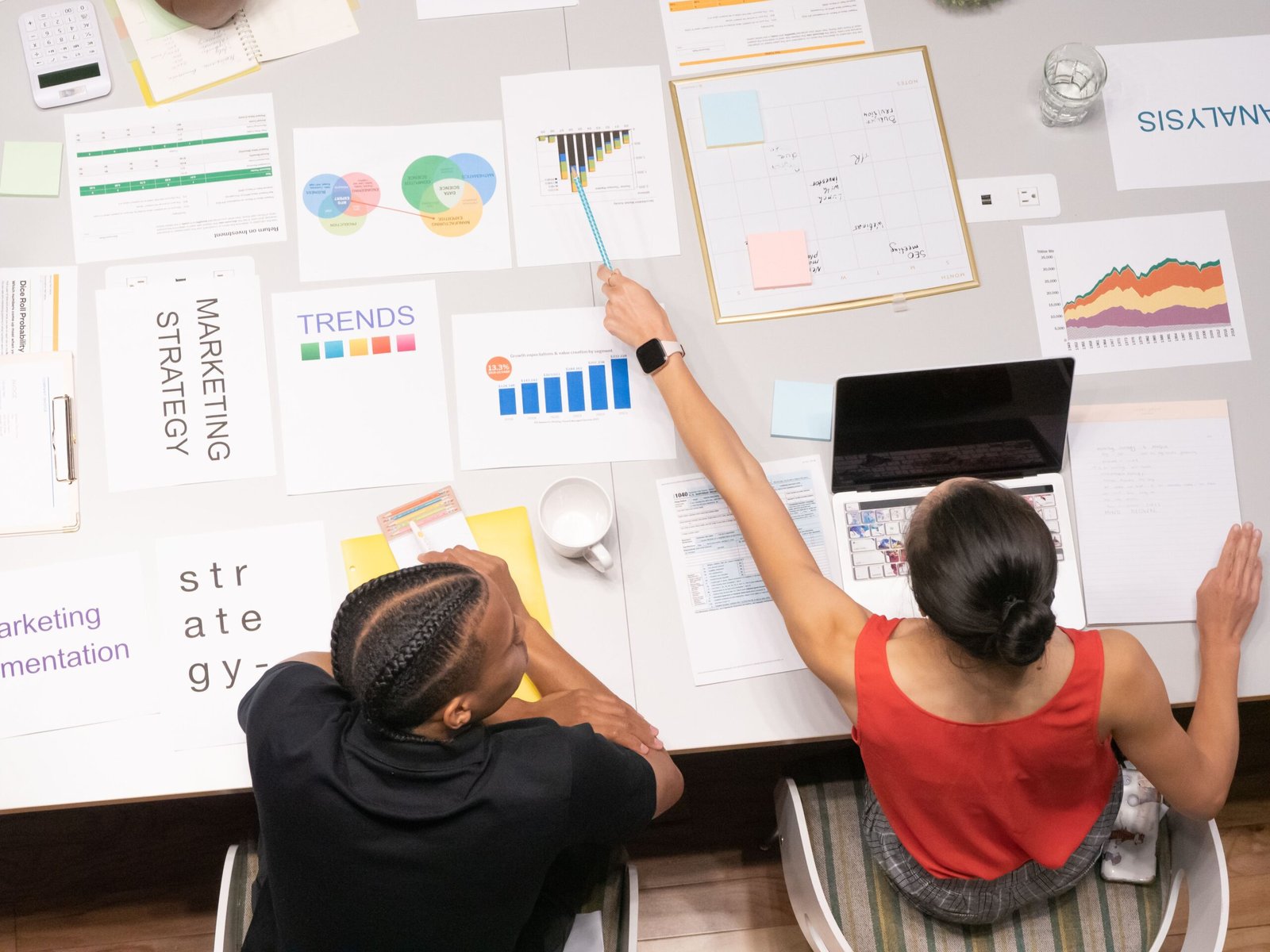
This way of reaching younger people doesn’t provide a comprehensive overview of the situation. Fine, some of them will change their mind about how tedious politics is, maybe they will even go and vote in the next elections (which, for example, they have never done before). The urge to mobilise the greatest number of citizens will be fulfilled but the concept of building an engaged civil society certainly won’t. Instead, it is crucial to uncover any manipulation or simply fake news to prevent it from spreading. Educating on how to recognise what has been created by AI, what a deepfake is, or just how to be curious or even skeptical of what we are shown – this should be our strength. Because showing anyone in power that we are vulnerable, easy to manipulate, and don’t question anything, etc. is the worst thing to do now. A citizenry that scrolls past claims is not an engaged public – it is just an audience that can be managed more easily than represented. Nowadays, media literacy should definitely be the foundation of civic education: the ability to ask who benefits from a message or to think before sharing. Only then can virality stop being used on us as a tool.
Politicians’ presence on social media does not create new mechanisms, but rather radicalises what we have been seeing for quite some time now: them shouting over each other on television and in the parliament, stating false claims, and using unprofessional language. From one’s perspective, this might be funny, but let’s not forget those are people who desire to rule a whole country. Let’s not normalise praising them for being ”authentic” or ”straightforward” while they’re clearly being disrespectful. The mediatisation of politics has made us care more about a different set of traits in a candidate; to some extent, this may be sensible. It’s just important to keep in mind their eventual future responsibilities and whether they act like somebody worth entrusting them to.
Related Articles
Related
Demokracja nagradza kompetencje czy popularność?
Jak rozdzielana jest władza w państwie prawa i czy powinniśmy obawiać się niekompetentnych polityków? Czy demokracja może wciąż tworzyć dobry rząd, jeśli wyborcy wybierają liderów na podstawie perswazji, a nie eksperckiej wiedzy?Gdybyś miał wsiąść do samolotu podczas...
Does democracy reward competence or popularity?
How are powers distributed under the rule of law, and should we fear incompetent politicians? Can democracy still produce good government if the voters choose leaders based on persuasion rather than expertise?If you were to board a plane during a storm, would you...
Za czym tak naprawdę tęsknią nacjonaliści?
Każdy ruch nacjonalistyczny opowiada historię o przeszłości, ale nie każda z tych historii włącza także stwierdzenie, że można ją odzyskać. Istnieje różnica między żałobą nad tym, co minęło, a upieraniem się, że można to przywrócić - między spojrzeniem wstecz a...